Explore

Gardens to Visit

Local treasures and regional destinations across the Brandywine Valley and beyond.

Close to Home

Local Gardens

The Delaware and Brandywine Valley region is home to some of the most beautiful public gardens in the country. We encourage our members and visitors to explore these treasures.

Longwood Gardens

Kennett Square, PA

Longwood Gardens

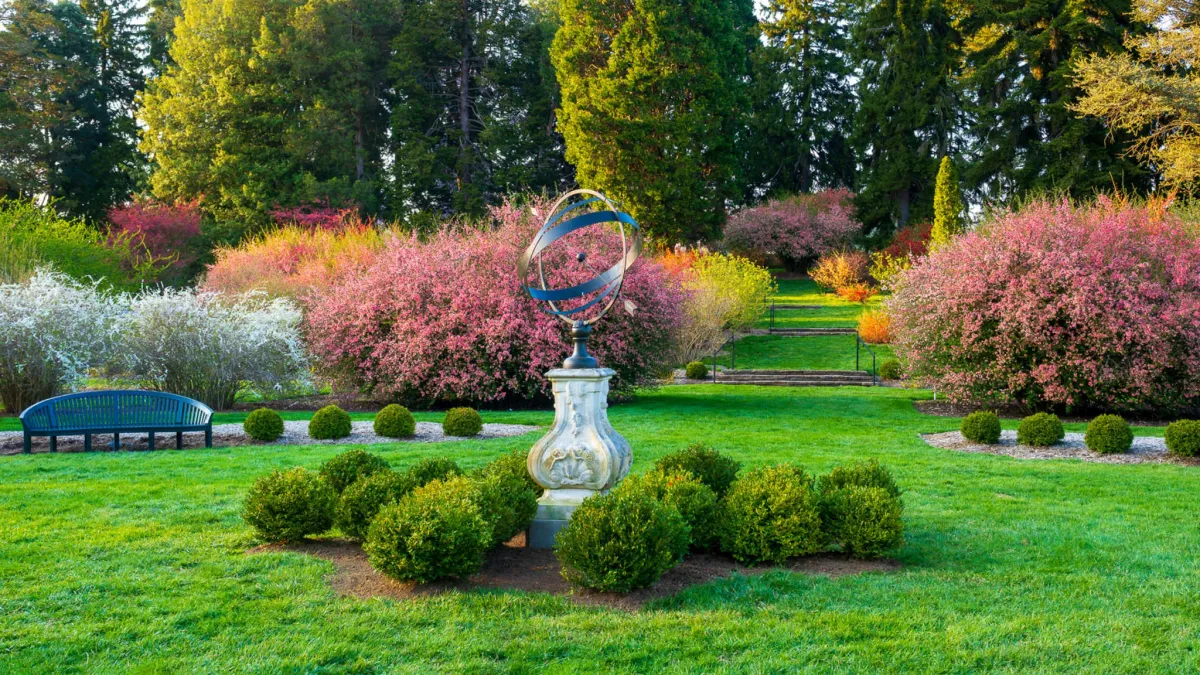
One of the world’s great horticultural display gardens, Longwood spans more than 1,000 acres of fountains, formal gardens, woodland, and meadow. Its conservatory district reopened in 2024 with a new West Conservatory and Bonsai Courtyard, and the year-round calendar of seasonal displays and illuminated fountain shows gives a reason to come back every season.
Close to Home

Longwood Gardens

Kennett Square, PA

Best Time to Visit

Any season — spring bulbs in April and May, summer evening fountain shows, and A Longwood Christmas from late November into January

Pierre S. du Pont bought the property in 1906 to save its grove of old trees from the sawmill, and spent the rest of his life turning it into a showplace of gardens, glasshouses, and fountains. His engineering enthusiasm still shows in the Main Fountain Garden, fully restored and reopened in 2017.

The Longwood Reimagined project that opened in November 2024 added the West Conservatory, whose glass peaks seem to float on a reflecting pool, and a courtyard for one of the country's finest bonsai collections.

Don’t Miss

  • The Main Fountain Garden's choreographed water shows
  • The West Conservatory's Mediterranean garden and the new Bonsai Courtyard
  • The Meadow Garden's trails in late summer
  • A Longwood Christmas lights and holiday conservatory displays

Visiting Tips

Admission is by timed ticket, so book ahead — especially for holiday and summer-evening visits, which sell out. Allow most of a day; the grounds are large, and comfortable shoes help.

Hours, admission, and events change through the year — checklongwoodgardens.orgbefore you go.

Winterthur Museum, Garden & Library

Winterthur, DE

Winterthur Museum, Garden & Library

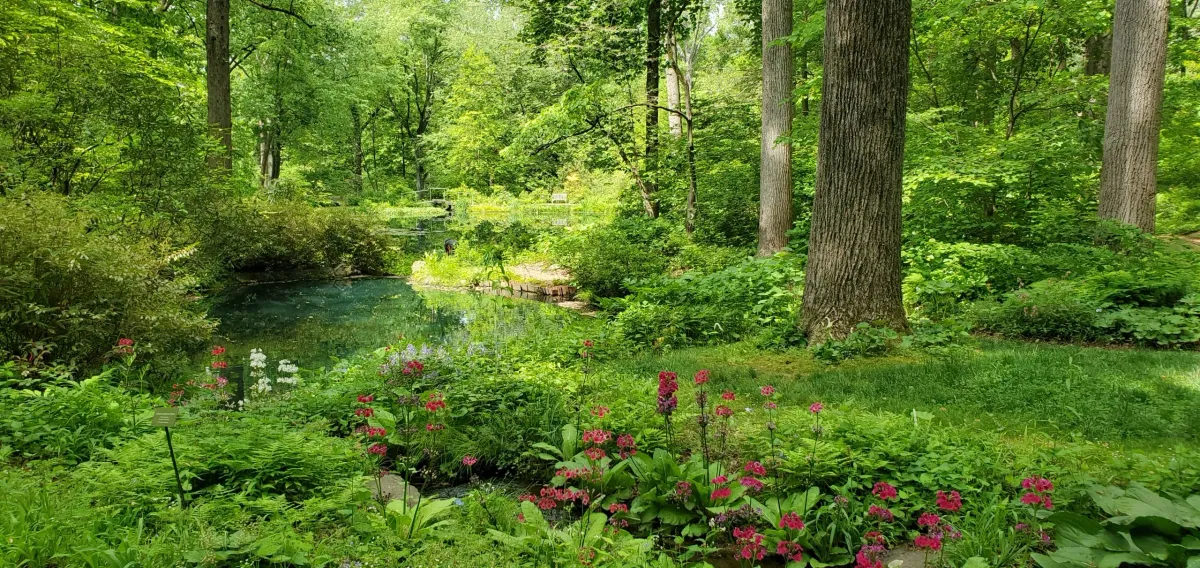
Set on nearly 1,000 acres in the Brandywine Valley, Winterthur’s naturalistic garden is one of the finest in North America. Designed by Henry Francis du Pont, the garden features sweeping vistas, a stunning March Bank of early spring bulbs, native azaleas, and a renowned collection of rare and unusual plants arranged to look as though nature placed them.
winterthur.org

Close to Home

Winterthur Museum, Garden & Library

Winterthur, DE

Best Time to Visit

Late winter through spring — the March Bank from late February, Azalea Woods in May

Henry Francis du Pont grew up at Winterthur and spent more than half a century shaping its garden, arranging plants by bloom time and color so that one planting would give way to the next across the seasons. The effect is so natural that visitors often don't realize how carefully it was composed.

Winterthur is also a major museum of American decorative arts, housed in du Pont's former home. Garden lovers could spend a full day outdoors alone.

Don’t Miss

  • The March Bank's carpets of snowdrops, crocus, and glory-of-the-snow
  • Azalea Woods in full May bloom
  • The Enchanted Woods — a fairy-tale garden built for children
  • The Quarry Garden's moisture-loving primulas and ferns

Visiting Tips

The 30-minute narrated garden tram tour is the easiest way to see the whole garden and get your bearings, with a stop at the Enchanted Woods. Garden and house tours are separate, so plan which you want before you go.

Hours, admission, and events change through the year — checkwinterthur.orgbefore you go.

Mt. Cuba Center

Hockessin, DE

Mt. Cuba Center

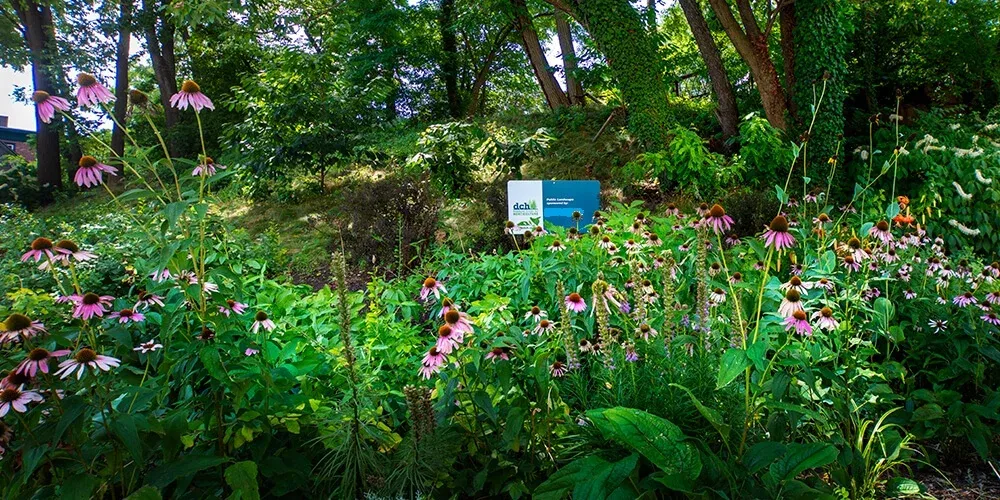
Dedicated to the study and conservation of native plants of the Appalachian Piedmont, Mt. Cuba Center features beautifully curated gardens and natural lands spanning over 1,000 acres. The gardens showcase the beauty of native wildflowers, ferns, and trees, and the center conducts important plant trials to help gardeners choose the best native cultivars.
mtcubacenter.org

Close to Home

Mt. Cuba Center

Hockessin, DE

Best Time to Visit

April and May for spring wildflowers; open spring through fall and closed in winter

Mt. Cuba was the home of Pamela and Lammot du Pont Copeland, who bought the farmland in 1935. By the 1960s wildflowers were becoming popular but couldn't be bought, so gardeners dug them from the woods; Mrs. Copeland began propagating natives on the estate for local nurseries instead. Today Mt. Cuba is devoted to the plants of the Appalachian Piedmont — our own region — and to conserving them.

For gardeners, the most useful part may be the research. The Trial Garden grows native species and their cultivars side by side for years and reports which ones perform best and which do the most for pollinators — practical guidance for choosing what to plant at home.

Don’t Miss

  • The woodland wildflower gardens in spring — trillium, phlox, and ferns
  • The Trial Garden, where Mt. Cuba tests native plants and cultivars side by side
  • The Pond Garden and the Meadow in summer
  • The formal gardens and terraces around the former du Pont Copeland home

Visiting Tips

Mt. Cuba publishes its Trial Garden reports free online — read the one for a plant you're considering before you buy. The center also offers classes year-round, and guided tours on set days.

Hours, admission, and events change through the year — checkmtcubacenter.orgbefore you go.

Delaware Center for Horticulture

Wilmington, DE

Delaware Center for Horticulture

A nonprofit dedicated to inspiring appreciation and improvement of the environment through horticulture, education, and community stewardship. The Center cultivates urban green spaces, leads tree-planting and beautification programs across Wilmington, and offers classes, workshops, and signature events that bring gardeners of all ages together.

thedch.org

Close to Home

Delaware Center for Horticulture

Wilmington, DE

Best Time to Visit

Year-round; spring and fall for the plant sales

Founded in 1977, the Delaware Center for Horticulture is Wilmington's leading voice for public greening. Its community forestry program works with neighborhoods, towns, and businesses to plant and care for street trees, and its gardens and classes are open to everyone.

Its demonstration garden is a good place to see how plants behave in a real city setting before trying them at home.

Don’t Miss

  • The 1.5-acre demonstration garden in Trolley Square
  • Seasonal plant sales and the Rare Plant Auction
  • The lending library and gallery

Visiting Tips

The gardens are free and open to the public from dawn to dusk, so they make an easy stop on any trip into Wilmington. Watch the Center's calendar for classes and volunteer planting days.

Hours, admission, and events change through the year — checkthedch.orgbefore you go.

Worth the Drive

Regional Gardens

Just beyond the Brandywine Valley, the greater Philadelphia region is home to historic botanical landmarks and inventive contemporary gardens — all within an easy day trip.
Morris Arboretum & Gardens

Philadelphia, PA

Morris Arboretum & Gardens

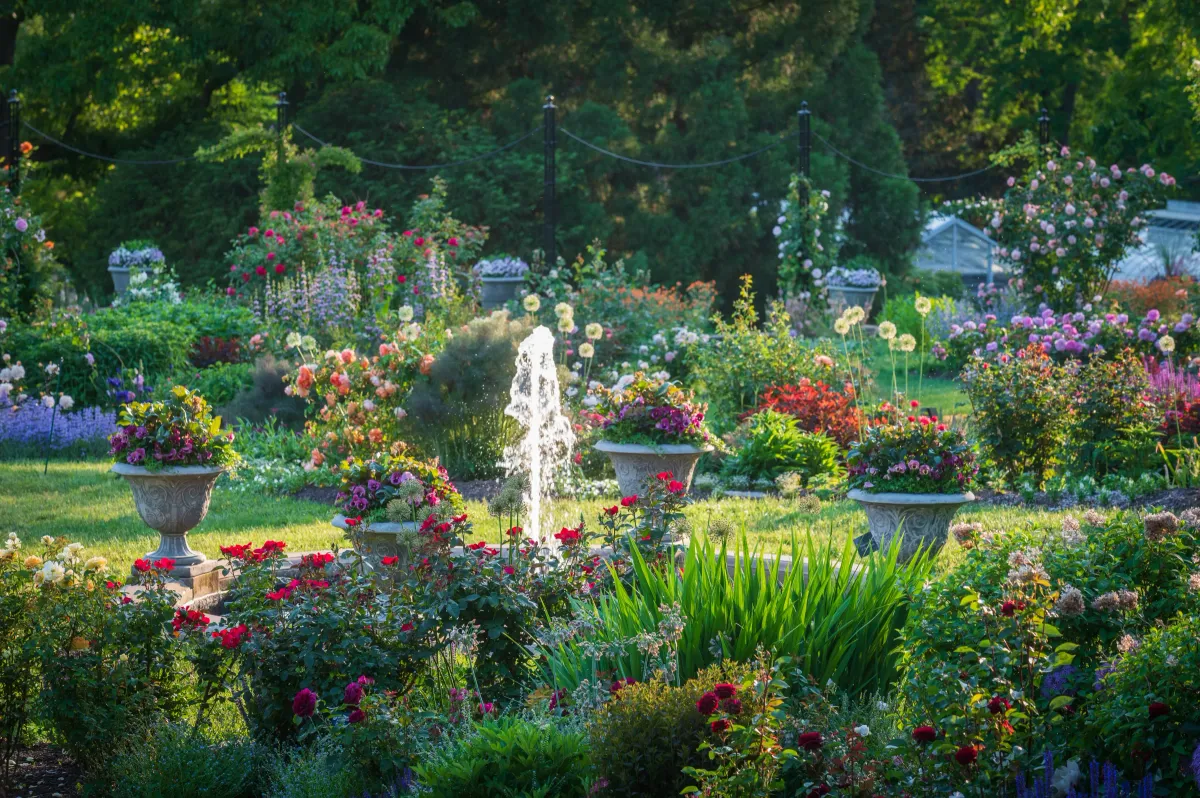
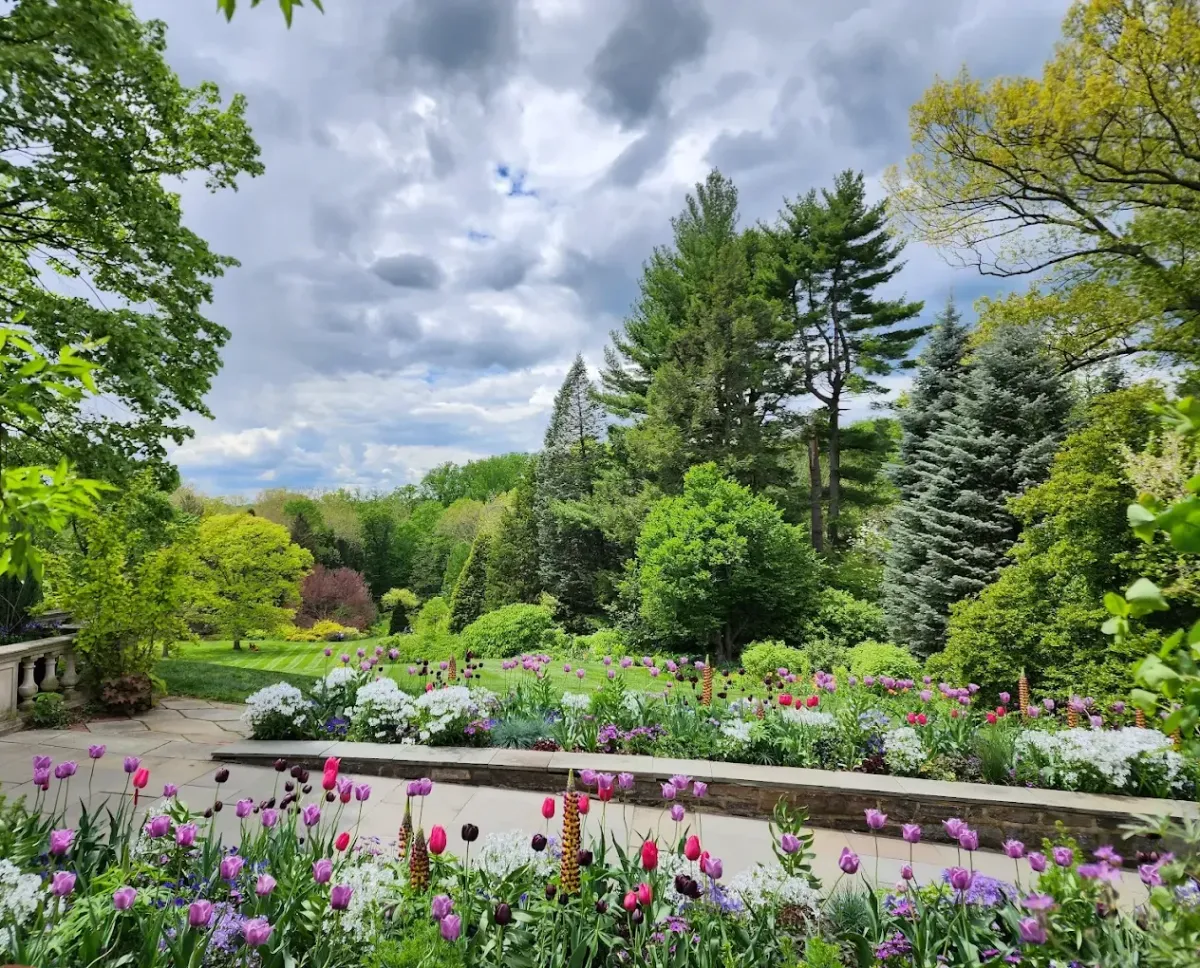
The official arboretum of the Commonwealth of Pennsylvania and a 92-acre living museum operated by the University of Pennsylvania. Morris Arboretum features more than 13,000 labeled plants, the only freestanding Victorian fernery left in North America, the Out on a Limb canopy walk, a swan pond, and one of the finest collections of mature trees in the region.
Worth the Drive

Morris Arboretum & Gardens

Philadelphia, PA

Best Time to Visit

Spring for flowering trees; summer for the Garden Railway; the Holiday Garden Railway in winter

Siblings John and Lydia Morris began their estate, Compton, in Chestnut Hill in 1887 and filled it with trees collected from around the world. The arboretum Lydia left to the University of Pennsylvania in 1932 keeps their Victorian spirit — a mix of garden styles, grottoes, and follies.

The fernery is a rare survivor of the Victorian fern craze: a glasshouse built in 1899 just for ferns, with a grotto, pools, and bridges inside.

Don’t Miss

  • Out on a Limb, a canopy walk 50 feet up in the treetops
  • The Dorrance H. Hamilton Fernery (1899)
  • The Garden Railway's miniature Philadelphia landmarks
  • The champion trees and the rose garden

Visiting Tips

The canopy walk is accessible and makes a good first stop with children or grandchildren. Check the calendar for the Garden Railway, which runs seasonally.

Hours, admission, and events change through the year — checkmorrisarboretum.orgbefore you go.

Chanticleer

Wayne, PA

Chanticleer

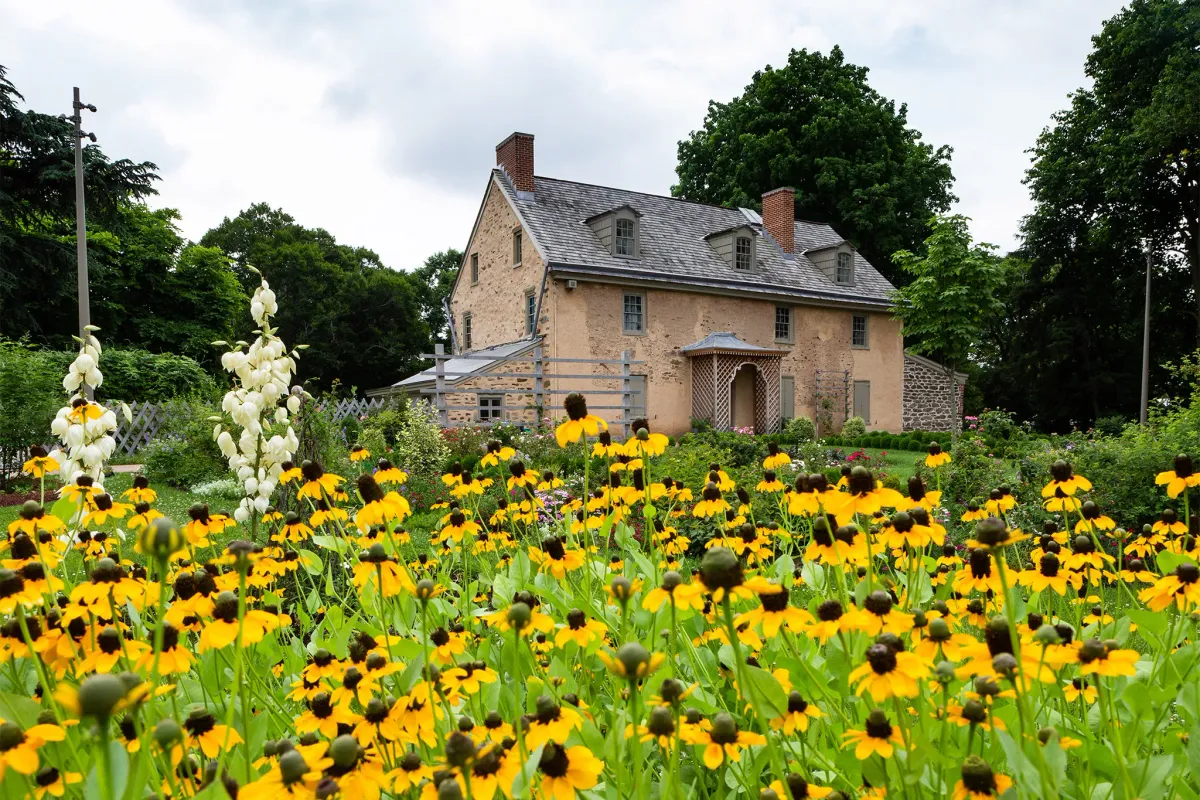
A pleasure garden of unrivaled imagination, Chanticleer is a former estate garden often described as one of the most romantic and creative public gardens in America. Each area is designed and tended by its own horticulturist, resulting in a constantly evolving tapestry of bold plant combinations, hand-crafted furniture, and inventive seasonal displays.
Worth the Drive

Chanticleer

Wayne, PA

Best Time to Visit

Open spring through fall (roughly April through October); every visit is different

Chanticleer was built in 1912 as the country home of the Rosengarten family, and opened as a public garden in 1993. Its gardeners are also its designers: each is responsible for an area and changes it year to year, so the garden never stands still.

The Ruin Garden is its best-known room. After the Minder House was taken down in 1999, its footprint became a series of roofless rooms with pools and fountains — an imagined ruin that is now one of the most photographed gardens in the region.

Don’t Miss

  • The Ruin Garden, built on the foundations of a family house
  • The Teacup Garden, replanted twice each year
  • The Asian Woods and Pond Garden
  • Gardener-made chairs, bridges, and drinking fountains throughout

Visiting Tips

There are chairs everywhere, and you're meant to use them — plan a slow visit. Because the plantings change so much through the season, a spring and a fall visit feel like two different gardens.

Hours, admission, and events change through the year — checkchanticleergarden.orgbefore you go.

Bartram's Garden

Philadelphia, PA

Bartram's Garden

The oldest surviving botanic garden in North America, established in 1728 by John Bartram on the banks of the Schuylkill River. The 50-acre National Historic Landmark preserves Bartram’s 18th-century house, historic plant collections, riverfront meadows, and the legacy of America’s pioneering botanist who introduced more than 200 native plants to the world.
bartramsgarden.org

Worth the Drive

Bartram's Garden

Philadelphia, PA

Best Time to Visit

Late summer into fall, when the Franklinia blooms; the grounds are lovely year-round

John Bartram, a self-taught Quaker farmer and botanist, founded this garden in 1728 and shipped American plants to gardeners across Europe. His son William traveled the South collecting plants and writing the book that still bears his name, Travels.

In 1765 the Bartrams found a small grove of an unknown tree along Georgia's Altamaha River. They grew it here and named it Franklinia for their friend Benjamin Franklin. It has not been seen in the wild since the early 1800s, and every Franklinia growing today descends from the Bartrams' plants.

Don’t Miss

  • The Franklinia trees — a species the Bartrams saved from extinction
  • The oldest ginkgo in North America (c. 1785)
  • John Bartram's 18th-century stone house
  • Riverfront paths and meadows along the Schuylkill

Visiting Tips

The grounds are free to walk. The riverside trail connects to the city's larger trail network, so it pairs well with a walk or bike ride.

Hours, admission, and events change through the year — checkbartramsgarden.orgbefore you go.

The Barnes Arboretum at Saint Joseph's University

Merion, PA

The Barnes Arboretum at Saint Joseph's University

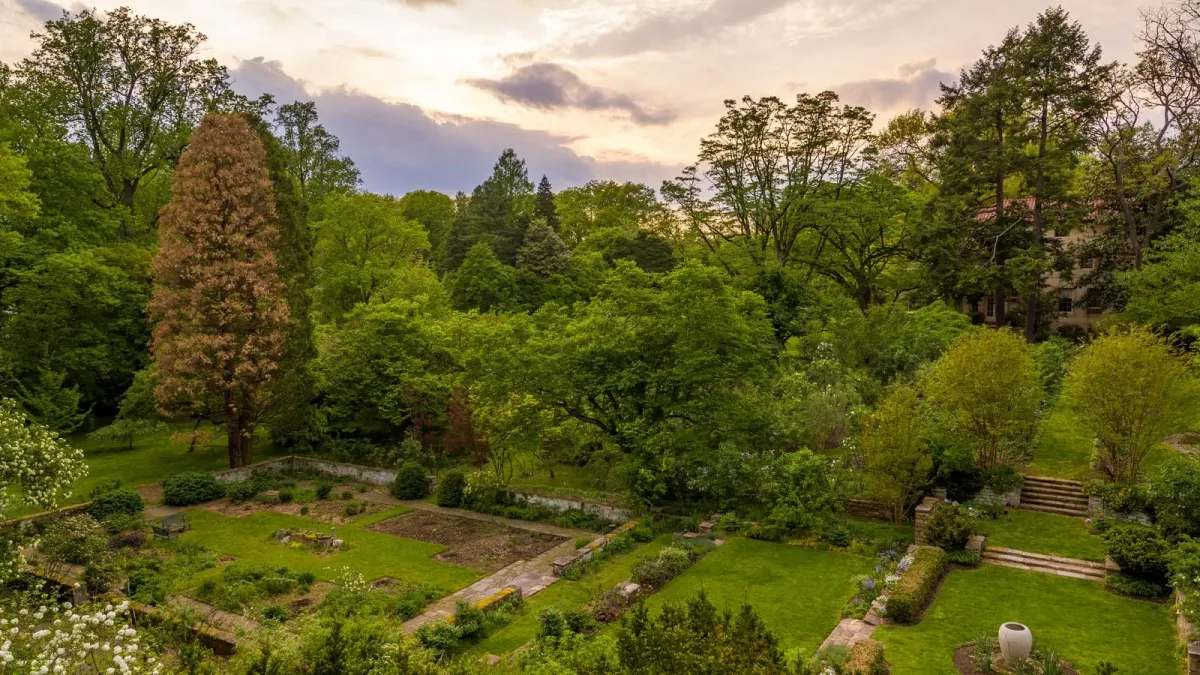
A 12-acre living collection begun by Laura L. Barnes, with more than 2,500 kinds of woody and herbaceous plants — many of them rare. Its fern, peony, and lilac collections date from the early 1900s, and its stewartias, magnolias, and conifers include a number of Pennsylvania state champion trees, all arranged with the same artistic sensibility that shaped the famed Barnes Foundation art collection.

Worth the Drive

The Barnes Arboretum at Saint Joseph's University

Merion, PA

Best Time to Visit

May, for the lilacs and the peony garden; fall for foliage and bark

While Albert Barnes built his art collection, his wife Laura built the arboretum around their Merion home, and in 1940 she founded the horticulture school that still teaches there. Her particular loves — flaky bark, lilacs, peonies, and ferns — each have a collection of their own.

Saint Joseph's University has cared for the arboretum since 2018.

Don’t Miss

  • The historic peony collection
  • The lilac collection and fern garden
  • Stewartias and other flaky-barked trees — a Laura Barnes favorite
  • About 25 Pennsylvania state champion trees

Visiting Tips

The arboretum is small enough to see in an hour or two and is open to walk-up visitors. Serious gardeners can look into its horticulture certificate program.

Hours, admission, and events change through the year — checksju.edu/barnesarboretumbefore you go.

America's Garden Capital Passport

Pennsylvania, Delaware & New Jersey

America's Garden Capital Passport

America’s Garden Capital brings together more than thirty public gardens, arboreta, and historic landscapes across the Philadelphia region, from southeastern Pennsylvania to northern Delaware and South Jersey. Its map and garden passport are a handy way to plan a season of visits.

Worth the Drive

America's Garden Capital Passport

Pennsylvania, Delaware & New Jersey

Best Time to Visit

Any time — it's a project for a whole year of garden visits

America's Garden Capital is a partnership of the public gardens of the Philadelphia region, which has more of them within a short drive than almost anywhere else in the country. The passport turns visiting them into a collection: each garden has a page with its highlights, and a stamp or sticker to earn when you go.

It makes a fine club outing, or a good gift for a new member.

Don’t Miss

  • More than 30 public gardens, arboreta, and historic landscapes within about 30 miles of Philadelphia
  • Stamps, stickers, and code words to collect at each garden
  • A printable map and checklist on the website

Visiting Tips

Passports are available at participating gardens while supplies last, and a print-at-home version is on the America's Garden Capital website. Several of the gardens on this page — Longwood, Winterthur, Mt. Cuba, Chanticleer, Morris, and Bartram's — are part of it.

Hours, admission, and events change through the year — checkamericasgardencapital.orgbefore you go.