Grow Better
Gardening Tips
Timeless fundamentals plus seasonal routines to keep your garden thriving.
Evergreen Tips
Whether you're a seasoned gardener or just getting started, these fundamentals will help your garden thrive year after year.
Start with Your Soil
Healthy soil is the foundation of every great garden. Test your soil pH and amend with compost before planting. Most garden plants thrive in slightly acidic to neutral soil (pH 6.0–7.0).

Water Wisely
Water deeply and less frequently to encourage deep root growth. Early morning is the best time to water — it reduces evaporation and helps prevent fungal diseases.
Right Plant, Right Place
Choose plants that match your site conditions — sun exposure, soil type, and hardiness zone. In Delaware (Zone 7a), you can grow a wide range of perennials, shrubs, and trees.
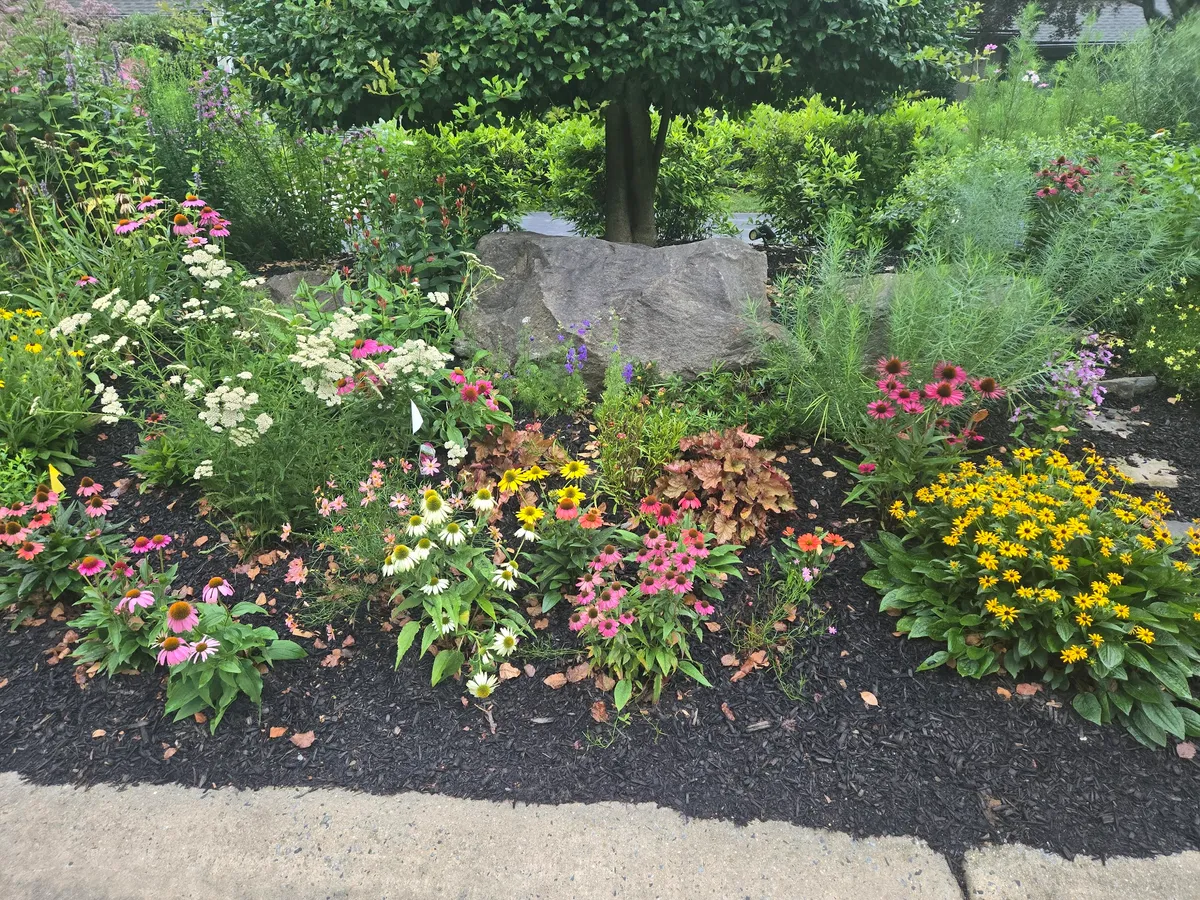
Mulch Matters
Apply 2–3 inches of organic mulch around plants to conserve moisture, suppress weeds, and regulate soil temperature. Keep mulch a few inches away from stems and trunks.
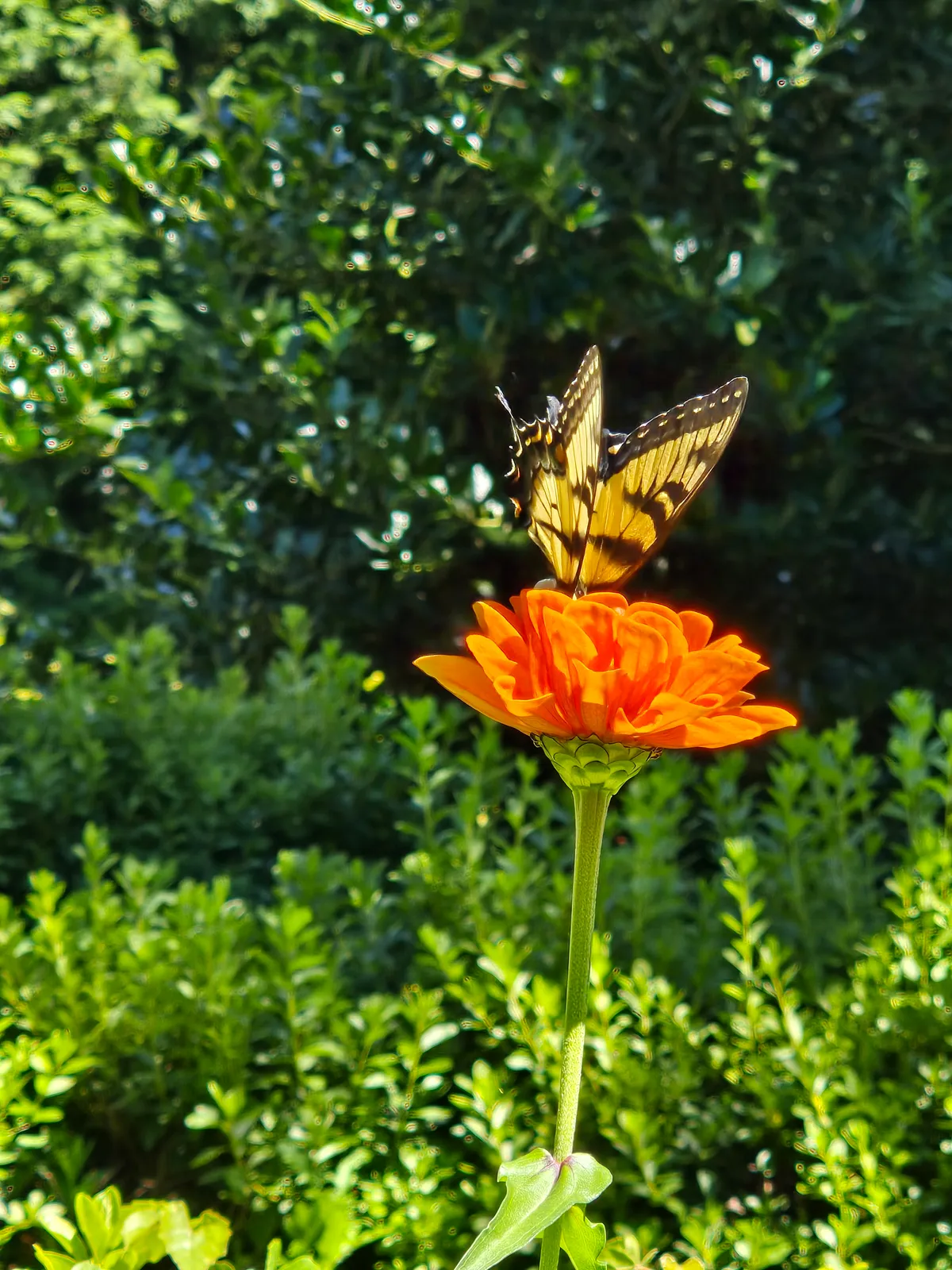
Feed Your Garden
Use a balanced fertilizer in spring and supplement with compost throughout the season. Native plants generally need less fertilizer than hybrid varieties.
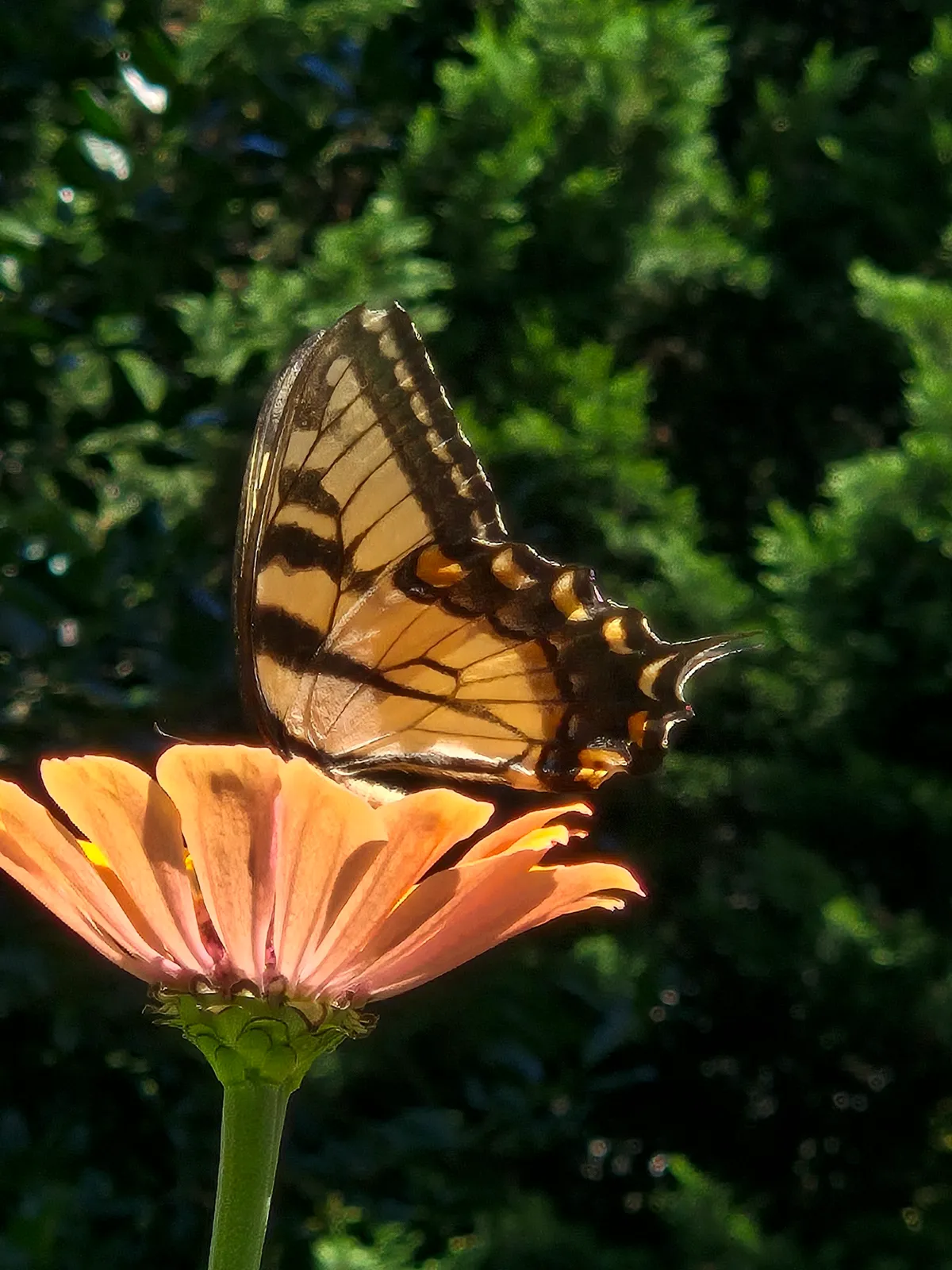
Plan for Pollinators
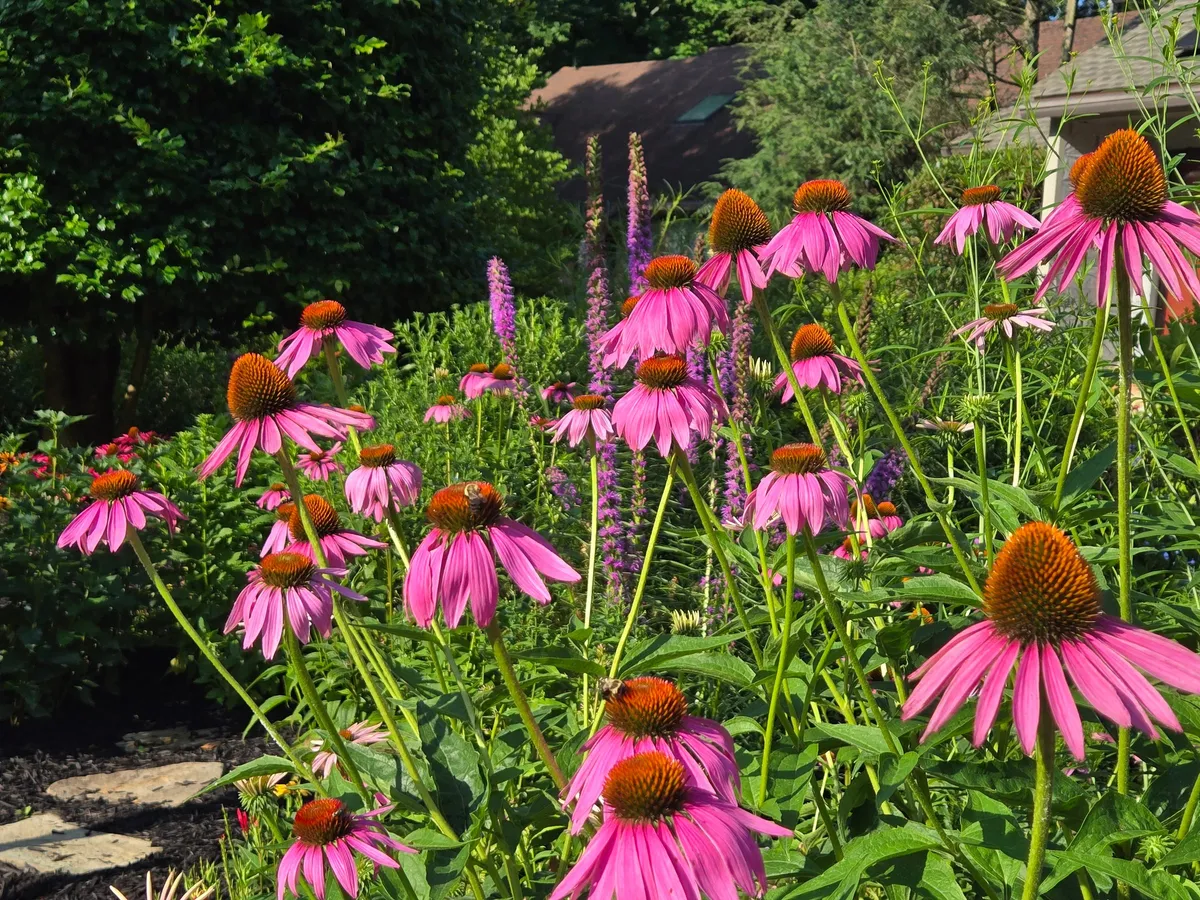
Include a variety of flower shapes and bloom times to support bees, butterflies, and hummingbirds from early spring through fall. Native wildflowers are especially beneficial.
Garden Rhythms
The recurring tasks that keep a garden humming through the growing season — each with the science behind why it works.
Weekly
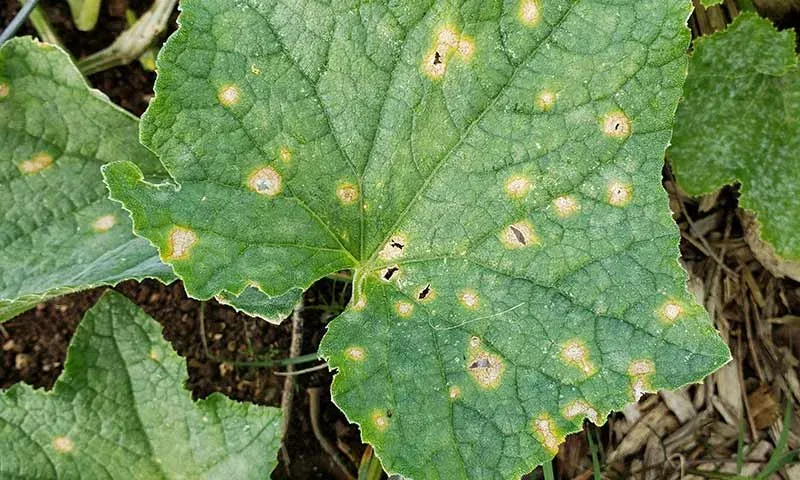
Scout for Pests and Disease
Integrated Pest Management (IPM) relies heavily on early detection. Regularly inspecting the undersides of leaves, stems, and soil helps catch outbreaks—like aphids or fungal spores—before they spread. Early intervention allows for mechanical controls (like hand-picking or a blast of water) rather than chemical interventions.
Weekly
Stay Ahead of the Weeds
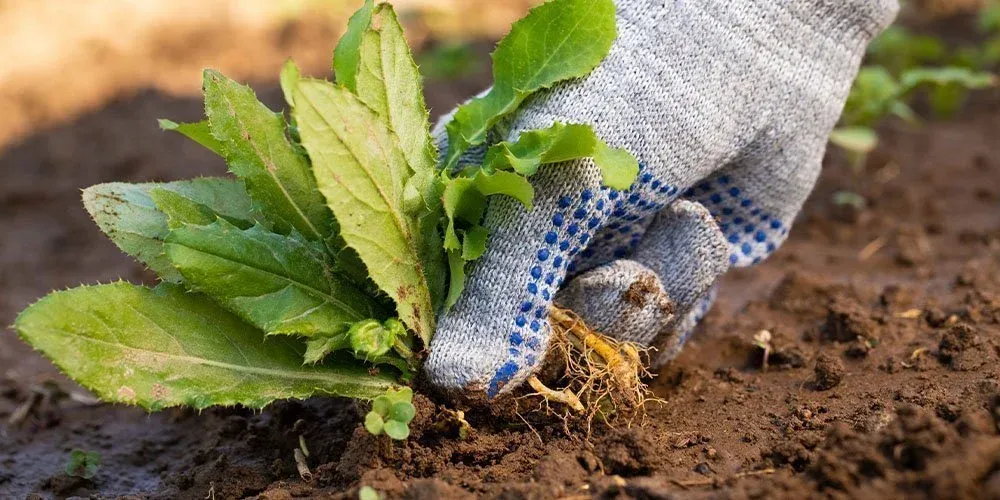
Weeds aggressively compete with desired plants for water, soil nutrients, and sunlight. Removing them when they are small prevents them from establishing deep taproots or setting seed, which exponentially reduces future weed pressure in the garden bed.
Weekly to Bi-weekly (during the growing season)
Deadhead for Continuous Blooms
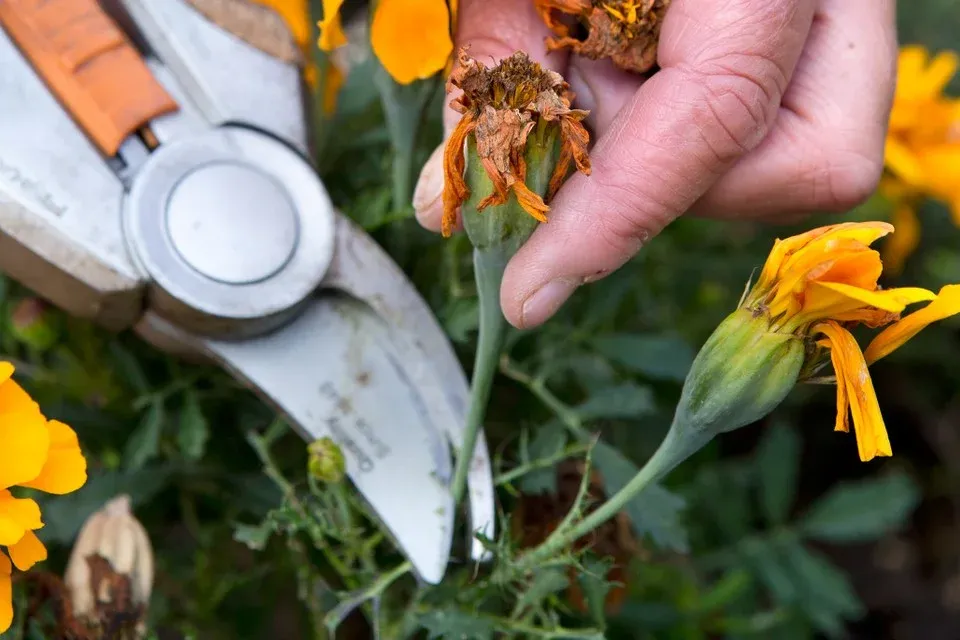
When flowers fade and begin to set seed, hormonal signals direct the plant’s energy into reproduction. Removing spent blooms (deadheading) interrupts this process, redirecting energy back into vegetative growth and the production of new flower buds.
Every 2–3 Days (during peak harvest season)
Harvest Often to Encourage Yields
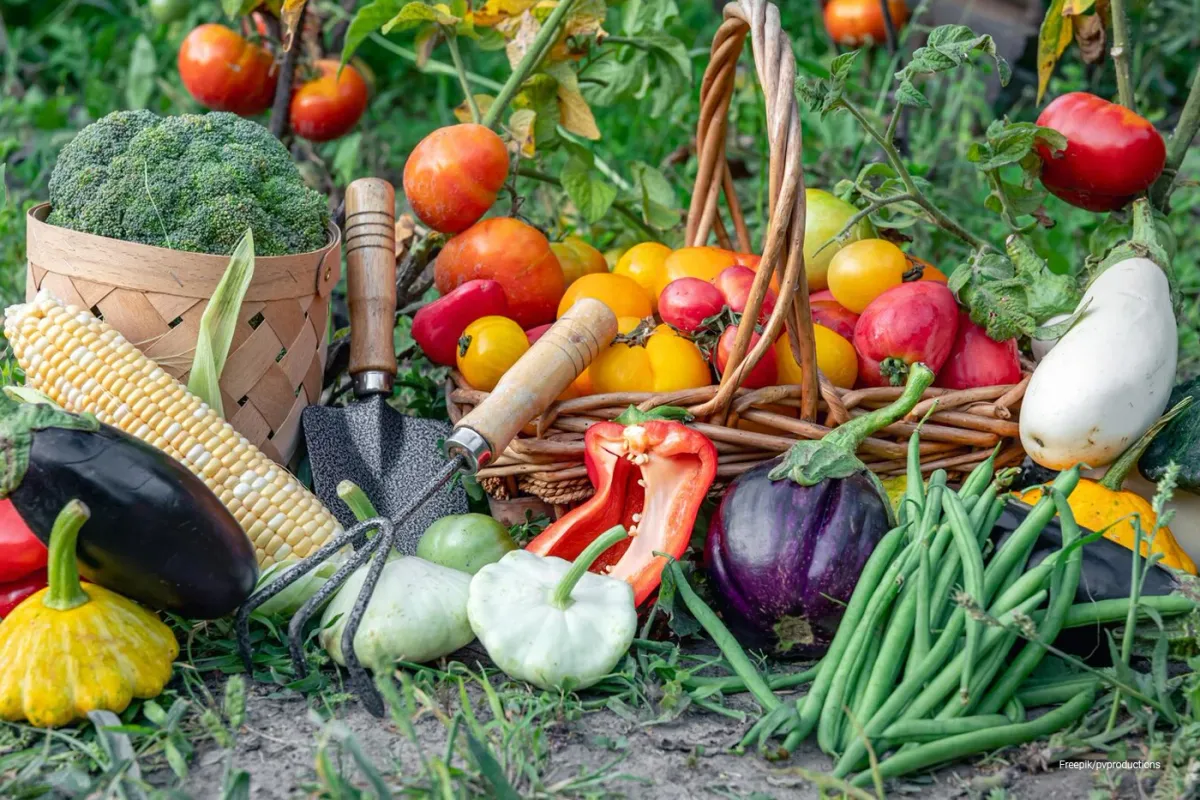
For fruiting plants like beans, cucumbers, and tomatoes, leaving mature fruit on the vine signals to the plant that its reproductive cycle is complete, slowing further flowering. Frequent harvesting keeps the plant in active production and ensures produce is picked at peak flavor.
Bi-weekly to Monthly
Tend Your Compost Pile
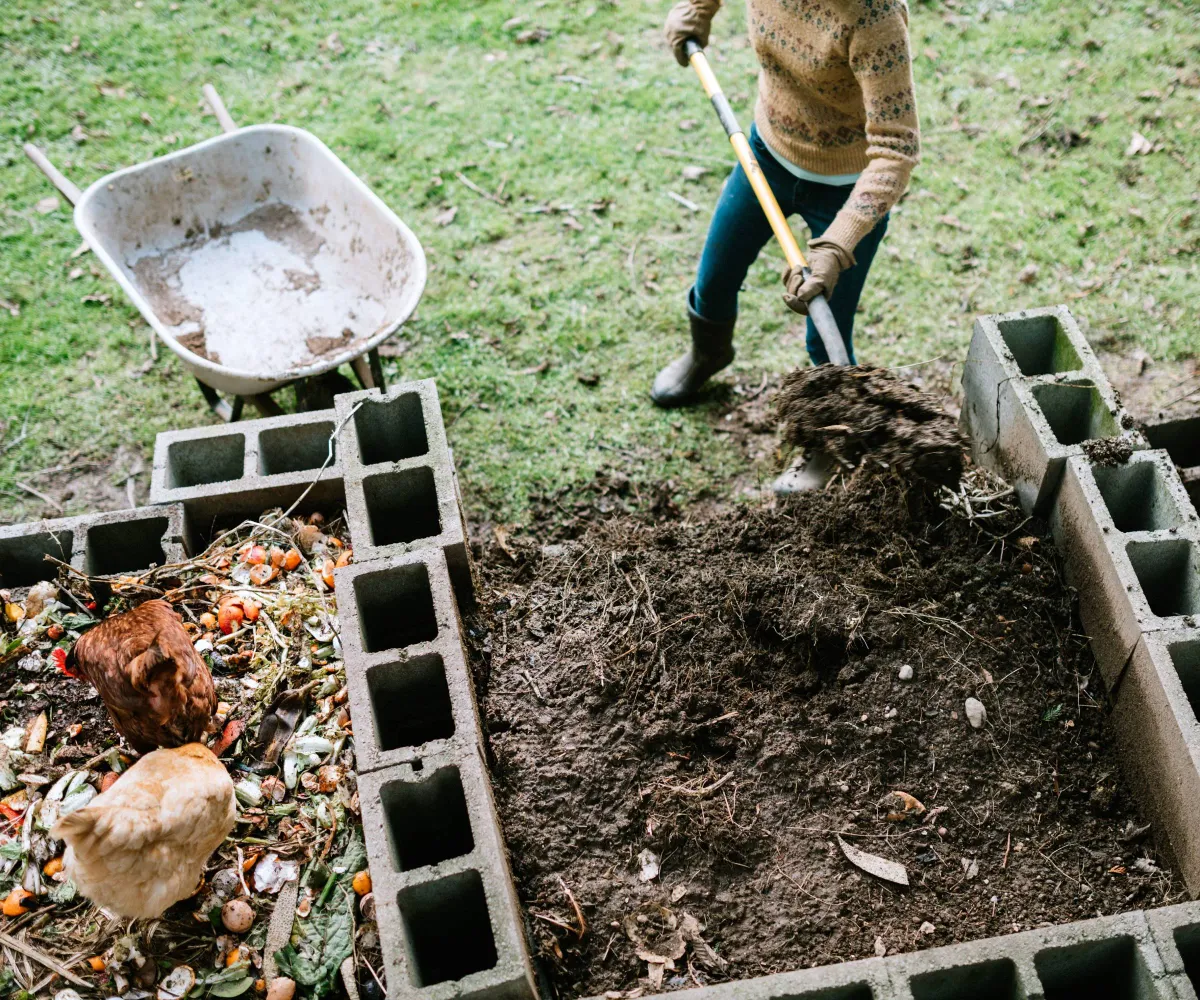
An active, hot compost pile requires oxygen to support the aerobic bacteria responsible for rapid decomposition. Turning the pile regularly and maintaining an even moisture level speeds up the breakdown of organic matter and prevents the anaerobic conditions that cause foul odors.
Monthly (and immediately after pruning diseased plants)
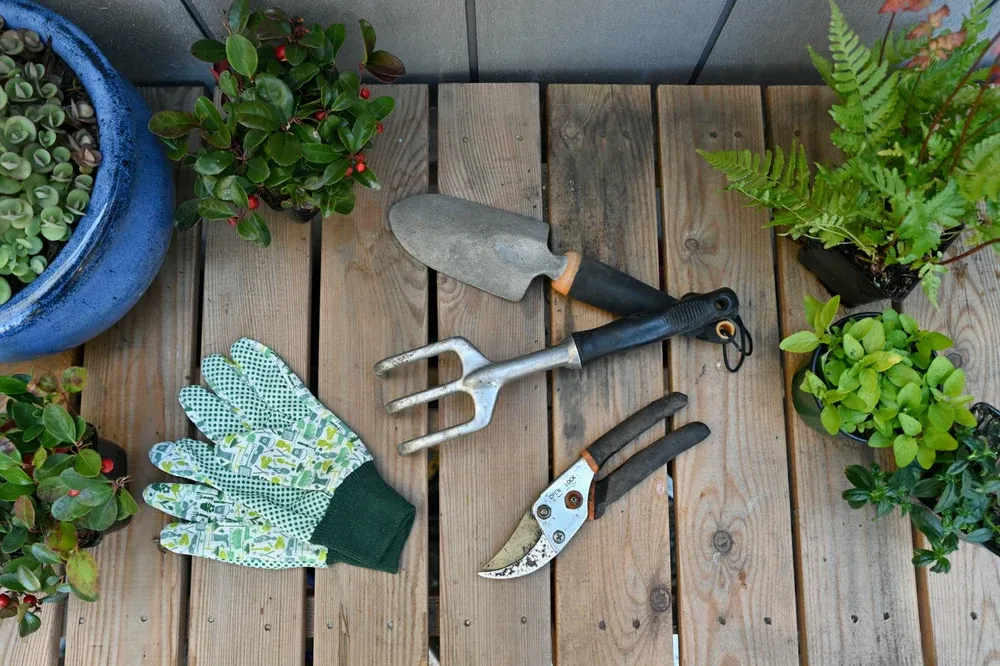
Clean and Maintain Your Tools
Dull blades crush plant stems rather than making clean cuts, leaving jagged wounds that are highly vulnerable to pathogens. Additionally, sap and dirt on tools can harbor and transmit soil-borne bacterial and fungal diseases between plants. Regular cleaning, oiling, and sharpening protect the garden’s overall health.